
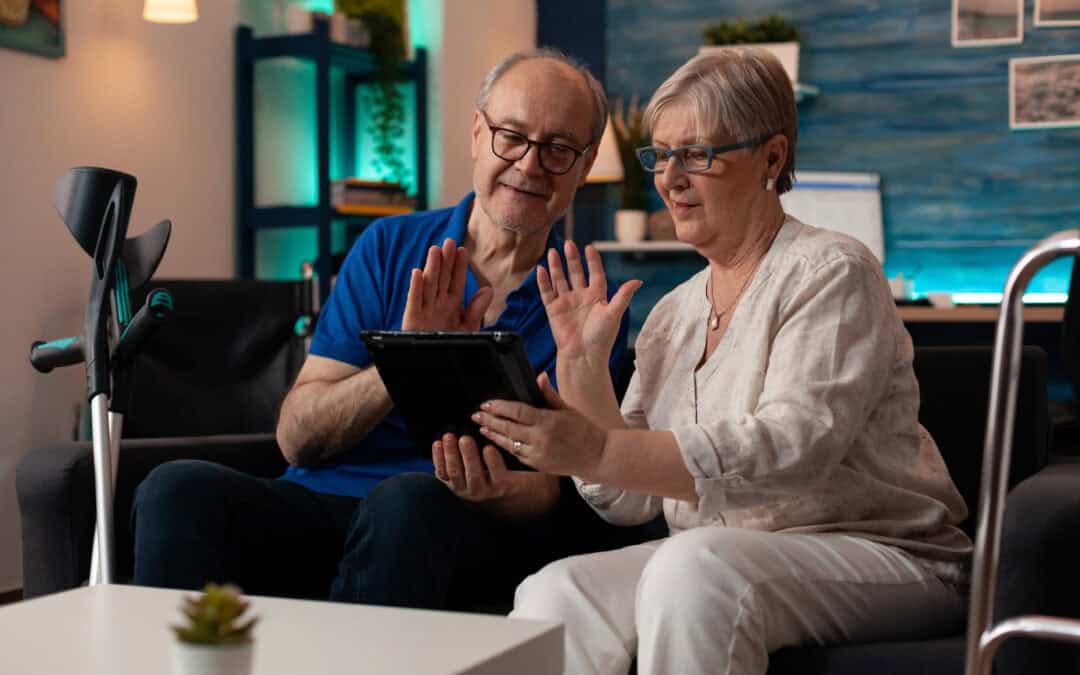
Telehealth has revolutionized the way healthcare is delivered, particularly within the realm of family medicine. The adaptation of telehealth by family medicine practices is reshaping patient care in significant ways, making healthcare services more accessible and efficient. A family medicine doctor can use telehealth to review symptoms, answer questions, manage follow-up care, and determine when an in-person visit may be needed. This article will delve into how these practices are embracing telehealth, the benefits and challenges encountered, and what the future holds for this integration.
Telehealth Integration in Family Medicine
Family medicine practices are increasingly turning to telehealth as a means to expand their reach and provide continuous care to their patients, even from a distance. For example, a rural family practice may use telehealth to provide consultations to patients who otherwise would need to travel extensive distances for care. Integrating telehealth involves:
- Adopting secure and reliable technology platforms.
- Training staff to handle virtual consultations effectively.
- Ensuring compliance with healthcare regulations for privacy and security.
This shift not only helps in managing patient loads more efficiently but also plays a crucial role in making healthcare more inclusive.

Benefits of Telehealth for Family Health
The integration of telehealth into family medicine can make care more convenient, flexible, and easier to access for many patients. Families may use virtual visits for follow-up appointments, medication questions, chronic condition check-ins, minor illness concerns, and health education without always needing to travel to the office. The U.S. Department of Health and Human Services explains that telehealth can save time, reduce travel, and help patients receive care from home or another convenient location. Telehealth can be especially useful for chronic disease management because regular communication and monitoring can help patients stay connected to their care team.
- Accessibility allows patients to receive care more conveniently, especially when travel, work, school, or caregiving responsibilities make office visits harder.
- Cost-effectiveness may come from fewer missed appointments, reduced travel needs, and more efficient follow-up care.
- Patient satisfaction can improve when families have more flexible ways to communicate with healthcare providers.
Challenges Faced by Family Practices
Despite its benefits, telehealth can create challenges for family medicine practices as they adapt technology, workflows, billing processes, and patient communication. Some practices may need better systems for scheduling virtual visits, training staff, supporting patients who are less comfortable with technology, and protecting private health information. The Office of the National Coordinator for Health Information Technology explains that healthcare providers must protect electronic health information through privacy and security practices. Addressing these challenges requires reliable technology, clear office procedures, staff training, and a strong understanding of telehealth policies.
- Technology adoption can be difficult when practices need new platforms, staff training, troubleshooting support, and patient education.
- Insurance complications may vary by plan, service type, location, and changing telehealth coverage rules.
- Patient privacy requires secure systems, careful communication, and consistent protection of personal health information.

Patient Response to Telehealth
Patient response to telehealth has been largely positive, though comfort levels can vary based on age, location, internet access, health needs, and technology experience. Many patients appreciate the convenience of virtual visits, especially when they need follow-up care, medication guidance, minor illness support, or chronic condition check-ins. The U.S. Department of Health and Human Services explains that telehealth allows patients to connect with a healthcare provider online from the comfort and safety of home. Gathering patient feedback helps family medicine practices refine telehealth services, address concerns, and decide when virtual care or in-person visits are the better fit.
- High adoption rates may reflect the convenience of receiving care without travel, waiting rooms, or extra time away from work or family responsibilities.
- Increased satisfaction often comes from flexible scheduling, easier follow-ups, and quicker access to certain types of care.
- Varied preferences still matter because some patients prefer in-person visits for serious symptoms, hands-on exams, or complex health concerns.
The Future of Telehealth in Family Medicine
Telehealth is expected to remain an important part of family medicine as technology, patient expectations, and care models continue to evolve. Future use may include more remote monitoring, mobile health tools, secure messaging, virtual follow-ups, and better ways to support patients with chronic conditions between office visits. The U.S. Department of Health and Human Services explains that remote patient monitoring uses digital devices to collect and send patient data that healthcare providers can review to manage health conditions, detect risks, and educate patients. As family medicine practices adapt, telehealth can become a more useful bridge between routine appointments and ongoing everyday care.
- Expanded services may include remote monitoring, virtual follow-ups, medication reviews, and mobile health tools.
- Policy evolution may create clearer guidance for coverage, privacy, billing, and appropriate telehealth use.
- Technological advancements can improve communication, patient tracking, record access, and interaction between patients and healthcare providers.

Key Takeaways on Family Medicine and Telehealth
- Telehealth is becoming a cornerstone in the provision of family medicine.
- While there are significant benefits, the challenges must be managed carefully.
- Patient feedback is vital in shaping future telehealth strategies.
Frequently Asked Questions
- What is telehealth? Telehealth involves the use of telecommunications and virtual technology to deliver health care outside of traditional health-care facilities.
- How do I access telehealth services in family medicine? Most family medicine practices now offer telehealth services through their websites or through a dedicated app; contact your healthcare provider for specific details.
- Are telehealth services covered by insurance? Yes, many insurance providers now cover telehealth services, but coverage can vary significantly, so it’s important to check with your insurance company.
- Is telehealth as effective as in-person visits? For many types of consultations, especially follow-ups and routine monitoring, telehealth can be just as effective as in-person visits.
- Can I use telehealth for emergency situations? Telehealth is not suitable for emergency conditions where immediate physical assessment or treatment is necessary. In such cases, visiting an emergency room or calling emergency services is recommended.
By embracing telehealth, family medicine practices are not only expanding their capabilities but are also enhancing the overall healthcare experience for their patients. As this trend continues, it promises to shape the future of family medicine profoundly.