
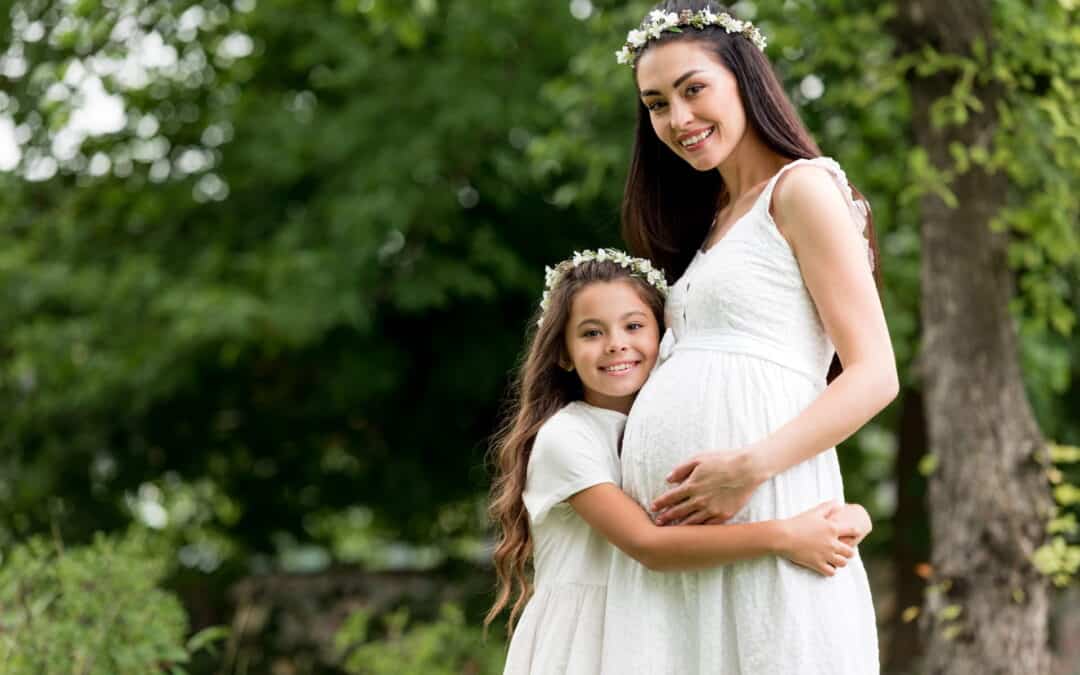
Family medicine doctors play a critical role in improving the health of both mothers and children. These physicians offer continuous care, from preconception and pregnancy to the early years of childhood, ensuring families receive comprehensive and personalized treatment. The value of family medicine lies in its holistic approach, addressing the needs of the entire family unit while fostering long-term relationships. Through preventive care, medical interventions, and guidance on healthy lifestyles, your family medicine doctor is essential to maternal and child health.
Family Medicine Practice and Maternal Health Support
Family medicine doctors serve as a consistent source of care for expecting mothers. Their role involves guiding women through each stage of pregnancy while addressing potential health concerns. For example, a patient who has experienced complications during previous pregnancies may rely on a family medicine doctor to closely monitor her current pregnancy, ensuring both her safety and that of her baby.
- Family medicine doctors provide early screenings for potential pregnancy complications, including gestational diabetes and high blood pressure.
- They offer personalized lifestyle recommendations, such as diet and exercise, to promote maternal well-being.
- They coordinate care with specialists when necessary, creating a seamless healthcare experience for mothers.
Preventive Care for Expecting Mothers
Family medicine doctors prioritize preventive care, which is especially important for expecting mothers. Their guidance can help reduce pregnancy-related risks while making sure women receive education, screenings, and resources throughout pregnancy. Whether care involves routine checkups, prenatal vitamin guidance, blood pressure monitoring, or lifestyle recommendations, these physicians help support a healthier pregnancy. According to the CDC, preterm birth affected about 1 of every 10 infants born in the United States in 2022.
- Early prenatal care helps mothers monitor health changes and address concerns before they become more serious.
- Family doctors educate expecting mothers on preventive steps, including avoiding tobacco and alcohol during pregnancy.
- Regular screenings can help monitor blood pressure, glucose levels, and other important health indicators.
Family Medicine Doctors and Childbirth Support
The role of a family medicine doctor doesn’t end with pregnancy care. They are actively involved during childbirth, either providing direct delivery services or coordinating care with an obstetrician. Family medicine doctors help mothers navigate the complex process of labor and delivery, ensuring both the baby and mother are in the best possible health.
- Family medicine doctors often support natural births but are equipped to manage complications that arise during delivery.
- They provide guidance on breastfeeding and post-delivery recovery to promote maternal health.
- Doctors help families create birth plans, giving mothers a sense of control and security during childbirth.

Postpartum Care from Family Medicine Doctors
After childbirth, the relationship with a family medicine doctor becomes even more important. These physicians offer essential postpartum care, addressing both physical and emotional health concerns. Postpartum depression, breastfeeding difficulties, and recovery from childbirth are all aspects that family medicine doctors address in their routine care.
- Family medicine doctors screen for postpartum depression, a condition affecting 1 in 8 women, according to the National Institutes of Health.
- They offer breastfeeding support, guiding new mothers through challenges that may arise.
- Doctors monitor the physical recovery of mothers, providing advice on nutrition, exercise, and mental well-being.
Family Medicine and Child Health Services
Family medicine practice extends far beyond maternal care. From the moment a child is born, family medicine doctors can provide important health services that support proper growth, development, and prevention. Regular checkups, immunizations, developmental screenings, and routine health conversations all help families stay informed about a child’s changing needs. The CDC provides recommended childhood immunization schedules to help protect children from serious vaccine-preventable diseases.
- Recommended vaccinations help protect children from serious illnesses such as measles, whooping cough, and other preventable diseases.
- Developmental monitoring helps family medicine doctors track growth, behavior, speech, movement, and age-appropriate milestones.
- Routine health screenings may help detect early signs of concerns such as asthma, allergies, vision problems, or hearing issues.
Routine Pediatric Checkups in Family Medicine Practice
Routine pediatric checkups are vital in family medicine. These visits help track a child’s growth, identify health issues early, and offer parents a chance to ask questions about their child’s health. A family medicine doctor who has been with the family from the beginning offers continuity that promotes trust and comfort during these visits.
- Family medicine doctors regularly measure a child’s height, weight, and body mass index (BMI) to monitor growth.
- They perform physical exams and track developmental markers such as speech, motor skills, and cognitive development.
- Vaccination schedules are managed to ensure children are protected from preventable diseases.

Family Medicine Doctors Managing Childhood Illnesses
Children often face a variety of illnesses during their early years, from common colds to more serious conditions like asthma or infections. Family medicine doctors are well-versed in pediatric care and can address most childhood illnesses efficiently. By treating the entire family, they gain a better understanding of the home environment and how it may affect a child’s health.
- Family medicine doctors provide treatments for common illnesses such as ear infections, colds, and flu.
- They offer asthma management plans, which include monitoring symptoms and prescribing inhalers.
- Doctors address allergies and other chronic conditions, helping families manage symptoms and improve quality of life.
The Family-Centered Approach in Family Medicine
Family medicine is built on a family-centered approach that looks beyond a single appointment or isolated concern. This philosophy means doctors consider how a person’s health may be shaped by family history, home routines, caregiving responsibilities, and shared lifestyle habits. The CDC explains that family health history can reflect shared genes, behaviors, and environments that may influence health risks. This broader view can be especially helpful in maternal and child health because the well-being of one family member often affects the health and stability of the entire household.
- Family medicine doctors can coordinate care for parents and children, which may improve communication and reduce healthcare gaps.
- Comprehensive guidance helps family members support one another through healthy routines, prevention, and follow-up care.
- A family-centered approach may help identify genetic or hereditary health patterns that benefit the entire family.
Why Choose a Family Medicine Practice for Maternal and Child Health
Choosing a family medicine practice offers long-term benefits for maternal and child health. These doctors build lasting relationships with families, ensuring that they receive personalized care that adapts to their changing needs. By working with a family medicine doctor, mothers and children are empowered with the knowledge and resources to lead healthy lives.
- Family medicine doctors provide continuity of care, meaning the same doctor can treat family members throughout different stages of life.
- They offer comprehensive services, from pregnancy care to childhood vaccinations, eliminating the need for multiple specialists.
- Family medicine practices focus on preventive care, catching potential health problems early before they become more serious.

Key Takeaways for Family Medicine Practice in Maternal and Child Health
- Family medicine doctors provide essential care during pregnancy and childbirth, ensuring the well-being of both mother and baby.
- They offer preventive care, guiding mothers through pregnancy and addressing potential health risks.
- Family medicine doctors play a crucial role in managing childhood illnesses and ensuring children meet developmental milestones.
Frequently Asked Questions
1. Can family medicine doctors deliver babies?
Yes, many family medicine doctors are trained in obstetrics and can deliver babies, though this depends on their training and hospital privileges.
2. How do family medicine doctors support postpartum care?
They provide physical and emotional support, monitor recovery, screen for postpartum depression, and offer breastfeeding advice.
3. What vaccinations do family medicine doctors provide for children?
They offer all recommended vaccinations, including those for measles, mumps, rubella, and whooping cough.
4. Can family medicine doctors manage chronic conditions in children?
Yes, family medicine doctors are equipped to manage chronic conditions such as asthma, allergies, and diabetes.
5. Why is a family-centered approach important in family medicine?
It ensures that the health of all family members is considered, allowing doctors to offer care that supports the well-being of the entire household.