
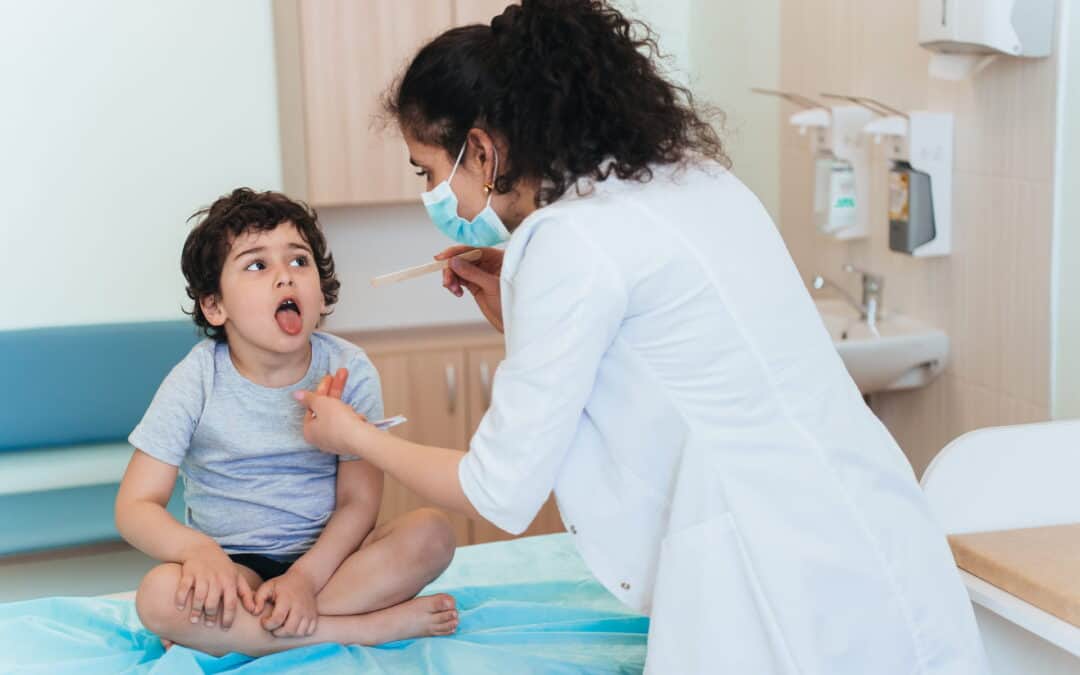
Pediatric care is an essential aspect of a child’s health, particularly during their early developmental stages. Parents often wonder why regular visits to a pediatrician or family doctor are so important, and this article aims to shed light on that very question. Pediatric care provides a foundation for healthy growth, early detection of potential issues, and overall well-being for children. Pediatric care during the early years helps monitor growth, track developmental milestones, support vaccinations, identify health concerns early, and guide parents through each stage of a child’s physical and emotional development.
Importance of Pediatric Care in Early Development
During the early years, children experience rapid physical, emotional, social, and cognitive development. Pediatric care helps monitor this growth, track developmental milestones, provide preventive services, and guide parents through each stage of childhood. The CDC explains that developmental milestones include skills such as taking a first step, smiling for the first time, and waving bye-bye. Regular checkups can help identify developmental concerns early, support timely intervention, and give families practical guidance for healthy growth.
- Monitoring growth and development helps ensure children are reaching age-appropriate milestones.
- Vaccinations help protect children against serious illnesses and vaccine-preventable diseases.
- Nutrition and healthy lifestyle guidance can support physical growth, brain development, sleep routines, and long-term wellness.
Regular Checkups Family Doctor
Regular checkups are a cornerstone of pediatric care. These visits allow doctors to monitor a child’s growth, assess their development, and catch any potential health issues early. For instance, a family doctor might notice that a child’s weight is not increasing as expected, prompting further investigation and necessary intervention. Regular pediatric visits ensure:
- Continuous monitoring of growth and development.
- Early detection of health problems like asthma or diabetes.
- Guidance on important health practices like diet and exercise.

Immunizations and Prevention
Immunizations are a critical part of pediatric care because they help protect children from serious vaccine-preventable diseases. Following the recommended immunization schedule can help parents keep children protected against illnesses such as measles, mumps, whooping cough, and other infections that may lead to severe complications. The CDC provides childhood immunization schedules that guide parents and healthcare providers on when vaccines are recommended from birth through adolescence. Vaccination also helps reduce the spread of certain diseases in schools, childcare settings, and the wider community.
- Vaccines help prevent serious and potentially deadly diseases before exposure occurs.
- Community protection can help reduce disease spread among people who cannot receive certain vaccines.
- Lower rates of vaccine-preventable disease support healthier homes, schools, and communities.
Monitoring Growth Milestones
Tracking a child’s growth milestones is a significant part of pediatric care. These milestones are critical indicators of a child’s overall health and development. Pediatricians and family doctors look for specific developmental markers to ensure children are on the right track. If any issues are detected early, appropriate interventions can be implemented. Monitoring growth milestones includes:
- Checking physical growth parameters like height, weight, and head circumference.
- Assessing motor skills development such as crawling, walking, and grasping.
- Evaluating cognitive and social skills progress.

Early Detection of Health Issues
Early detection of health issues can significantly impact a child’s future health. Pediatricians are trained to notice signs of common and uncommon health problems that might not be apparent to parents. Regular visits allow for early diagnosis and treatment, which can prevent more severe complications later on. Health issues that can be detected early include:
- Developmental delays or disabilities.
- Chronic conditions like asthma or allergies.
- Behavioral and emotional problems.
Mental and Emotional Development
Pediatric care is not only about physical health, it also supports a child’s mental and emotional well-being. Children may experience anxiety, depression, behavioral changes, stress, sleep issues, or social challenges that affect daily life and development. According to the CDC, about 1 in 5 children ages 3 to 17 in the United States has a mental, emotional, developmental, or behavioral disorder. Pediatricians can help identify early warning signs, guide families toward support, and encourage healthy routines at home.
- Early identification can help families notice signs of anxiety, depression, behavioral concerns, or emotional distress.
- Mental health resources and referrals connect children with appropriate support when additional care is needed.
- Guidance for a healthy home environment can support emotional security, communication, sleep, routines, and resilience.

Nutritional Guidance Pediatric Care
Nutrition plays a vital role in a child’s growth and development. Pediatric care includes providing parents with essential guidance on nutrition to ensure their children are getting the necessary nutrients for healthy development. Pediatricians can offer personalized dietary advice based on a child’s specific needs, helping to prevent nutritional deficiencies and promote overall health. Nutritional guidance includes:
- Recommendations for a balanced diet rich in fruits, vegetables, and whole grains.
- Advice on portion sizes and healthy eating habits.
- Support for parents dealing with picky eaters or food allergies.
Parental Guidance and Support
Pediatric care extends beyond the child by giving parents practical support and guidance through each stage of growth. Pediatricians and family doctors can offer advice on sleep routines, feeding, behavior, common childhood illnesses, safety, vaccines, and developmental milestones. The CDC encourages parents to track developmental milestones and share concerns with a child’s doctor during regular visits. This guidance can help parents feel more confident, prepared, and supported when caring for their children.
- Healthy sleep routine tips can help parents create consistent bedtime habits that support rest and development.
- Illness guidance helps parents understand how to manage common childhood concerns such as colds, ear infections, fever, and coughs.
- Parenting resources may include classes, support groups, educational materials, or referrals when families need extra help.

Key Takeaways for Pediatric Care
- Pediatric Care Importance: Essential for monitoring growth, providing immunizations, and offering nutritional guidance.
- Regular Checkups: Necessary for early detection of health issues and continuous development tracking.
- Mental Health: Pediatricians help with early identification of mental health concerns and provide resources for support.
Frequently Asked Questions
1. How often should my child see a pediatrician?
- Newborns typically need checkups every few weeks, then every few months as they grow, and annually after age three.
2. What vaccinations are essential in early childhood?
- Essential vaccinations include those for measles, mumps, rubella, polio, and whooping cough.
3. Can a family doctor provide pediatric care?
- Yes, many family doctors are trained to provide comprehensive pediatric care alongside other family health services.
4. How can I prepare my child for a pediatric visit?
- Explain the visit in simple terms, bring a favorite toy or book for comfort, and stay calm to reassure your child.
5. What should I do if I notice a developmental delay in my child?
- Schedule an appointment with your pediatrician immediately to discuss your concerns and plan the next steps for evaluation and intervention.
By following these guidelines and understanding the importance of pediatric care, parents can ensure their children receive the best possible start in life. Regular visits to a pediatrician or family doctor are crucial for maintaining health and catching potential issues early.