
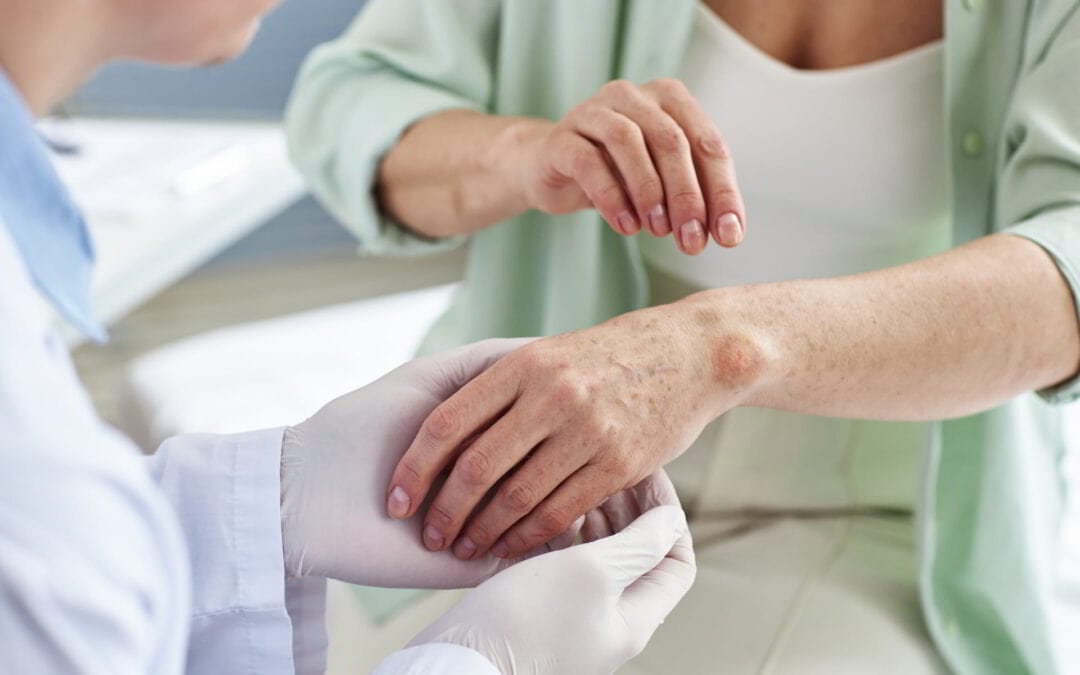
Shingles, a condition that can cause significant discomfort and pain, is often associated with older adults. However, it’s crucial to understand that this illness can affect individuals at a much younger age than many might expect. Your doctor can help patients understand shingles symptoms, risk factors, treatment options, and whether vaccination may be appropriate. With the right knowledge and preventive measures, people can better protect themselves and their loved ones from the potential complications of shingles.
What Is Shingles
Shingles, also known as herpes zoster, is a viral infection that causes a painful rash. It comes from the varicella-zoster virus, which is the same virus that causes chickenpox. According to the CDC, about 1 in 3 people in the United States will develop shingles during their lifetime. After a person recovers from chickenpox, the virus can stay inactive in the body and reactivate years later as shingles.
- Shingles can appear anywhere on the body, but it often shows up as a stripe of blisters on one side.
- The condition is usually not life-threatening, but it can cause severe pain and discomfort.
- Vaccination can help reduce the risk of shingles and related complications.
Shingles Risk Factors
Several factors can increase a person’s risk of developing shingles. Age is a major risk factor, but people with weakened immune systems, certain medical conditions, high stress levels, or recent illness may also be more vulnerable. The CDC states that the risk of shingles and related complications increases with age. Shingles is more common in adults over 50, but it can happen at any age after someone has had chickenpox.
- Stress and weakened immunity may contribute to reactivation of the varicella-zoster virus.
- People taking immunosuppressive medications or living with certain medical conditions may face a higher risk.
- Adults over 50 are more likely to develop shingles, though younger people can still be affected.

Early Age for Shingles
Contrary to common belief, shingles can manifest in individuals as young as their twenties or even younger. While the risk increases with age, young adults and even children who have had chickenpox are not immune.
- The Centers for Disease Control and Prevention (CDC) notes that shingles can occur at any age.
- Cases in younger adults are often linked to stress or weakened immune systems.
- Early vaccination can significantly reduce the risk of developing shingles at a young age.
Shingles Symptoms to Watch For
Recognizing the symptoms of shingles early can lead to quicker treatment and reduced risk of complications. Symptoms often start with pain, followed by a rash that develops into itchy blisters.
- The rash commonly occurs on one side of the body or face.
- Pain, tingling, or itching sensation precedes the rash.
- Fever, headache, and fatigue can accompany the rash.

Preventing Shingles
Prevention is key when it comes to shingles. The shingles vaccine is recommended for adults over the age of 50, but those with a higher risk might consider it earlier.
- The vaccine has proven to be the most effective method to prevent shingles.
- Healthy lifestyle choices can also support a strong immune system.
- Regular check-ups with a healthcare provider can help manage risk factors.
Treatment Options for Shingles
If shingles does occur, several treatments can help manage symptoms and reduce the duration of the virus. Antiviral medications are most effective when taken early in the course of the illness.
- Antiviral drugs can help speed up recovery and reduce the severity of symptoms.
- Pain relief can be managed with over-the-counter or prescription medication.
- Cool baths, wet compresses, and calamine lotion can provide symptom relief.

Complications of Shingles
While shingles can often be managed with medical care, it may lead to complications, especially in older adults and people with weakened immune systems. Postherpetic neuralgia, also called PHN, is the most common complication and can cause long-term nerve pain in the area where the shingles rash appeared. The CDC explains that shingles can also lead to serious complications involving the eye, including vision loss. Early treatment and medical guidance can help reduce discomfort and lower the risk of lasting problems.
- Postherpetic neuralgia can last for months or even years after the rash has healed.
- Vision problems can occur if shingles affects the eye or surrounding area.
- Severe cases may lead to neurological complications, including inflammation of the brain.
Shingles Vaccination Age Guidelines
Vaccination is an important way to reduce the risk of shingles and related complications. The CDC recommends 2 doses of Shingrix, separated by 2 to 6 months, for adults age 50 and older, including those who have had shingles before. Adults 19 and older with weakened immune systems should also receive the shingles vaccine because they are at higher risk for complications. Talking with a healthcare provider can help patients understand timing, eligibility, and any personal health considerations before vaccination.
- The shingles vaccine is given in two doses, usually spaced 2 to 6 months apart.
- People who have had shingles before can still receive the vaccine to help reduce future risk.
- A healthcare provider can help decide the best vaccination schedule based on age, immune status, and health history.
Shingles Awareness and Prevention
Understanding shingles risk factors, symptoms, complications, and vaccination guidance can help people take proactive steps to protect their health. Shingles can affect anyone who has had chickenpox, but the risk increases with age and weakened immunity. According to the CDC, shingles vaccination is over 90% effective at preventing shingles and postherpetic neuralgia in adults 50 years and older with healthy immune systems. Awareness and preventive care can make it easier to recognize symptoms early, seek treatment quickly, and reduce the chance of complications.
- Shingles symptoms should be discussed with a healthcare provider, especially when pain or rash appears near the eye.
- Vaccination can help lower the risk of shingles and long-term nerve pain.
- People with weakened immune systems should ask about vaccine timing and personal risk factors.

Key Takeaways for Understanding Shingles
- Shingles can affect individuals as young as their twenties, not just older adults.
- Stress, weakened immune systems, and certain medical conditions can increase the risk of developing shingles.
- Early recognition of symptoms and prompt treatment can significantly reduce the risk of complications.
- Vaccination is the most effective preventive measure against shingles, recommended for adults 50 and older, but may also benefit younger individuals at higher risk.
Frequently Asked Questions on Shingles
1. Can you get shingles more than once? Yes, it’s possible to get shingles more than once, although it’s not common. Vaccination can help reduce the risk of recurrence.
2. Is shingles contagious? Shingles itself is not contagious, but the virus can cause chickenpox in someone who has never had chickenpox or received the chickenpox vaccine.
3. How long does a shingles outbreak last? A shingles outbreak typically lasts 3 to 5 weeks. Symptoms usually peak around the third week.
4. Can stress cause shingles? Yes, high levels of stress can trigger the reactivation of the varicella-zoster virus, leading to shingles.
5. Should young adults consider the shingles vaccine? Young adults, especially those with weakened immune systems or chronic health conditions, may benefit from the shingles vaccine. It’s best to consult with a healthcare provider for personalized advice.